
Breastfeeding Essentials for Comfortable, Confident Nursing
The American Academy of Pediatrics recommends exclusive breastfeeding for the first six months, with continued breastfeeding alongside complementary foods through at least the first year. That’s a long commitment — and one that becomes significantly more manageable with the right equipment supporting you through every feed.
In the first 6–8 weeks, newborns typically nurse 8–12 times per day, with cluster-feeding stretches in the evenings that can mean back-to-back sessions for hours. Comfortable gear isn’t a luxury during this phase — it’s the difference between sustainable breastfeeding and chronic shoulder, back, and wrist pain that makes you want to quit.
This collection brings together the four items most lactation consultants recommend new mothers have ready before the baby arrives: a properly fitted nursing bra, an ergonomic nursing pillow, a discreet nursing cover for outings, and a large water bottle to support your supply. Each item has been selected to address a specific physical demand of breastfeeding — and none of them require unique skills to use, which matters when you’re operating on three hours of sleep.
Whether you’re preparing for your first baby, replacing items from a previous pregnancy, or putting together a thoughtful, mother-focused gift for someone in your life, this collection covers the day-to-day fundamentals.
What’s in this collection
Nursing Bra
A nursing bra is one of the most-used items in postpartum life — most moms wear theirs essentially 24/7 for the first several months, including overnight. Comfort, breathability, and one-handed access matter more than aesthetics. Look for soft cotton or bamboo fabric (synthetic blends trap moisture and can contribute to clogged ducts), wide supportive straps, and drop-down cups with clips that you can operate one-handed in the dark. Avoid underwire in the first 6–8 weeks, as it can press on milk ducts and contribute to mastitis. Plan to replace or supplement your bras as your milk supply stabilizes around week 6, when sizing typically settles. 👉 Shop the Nursing Bra

Nursing Pillow
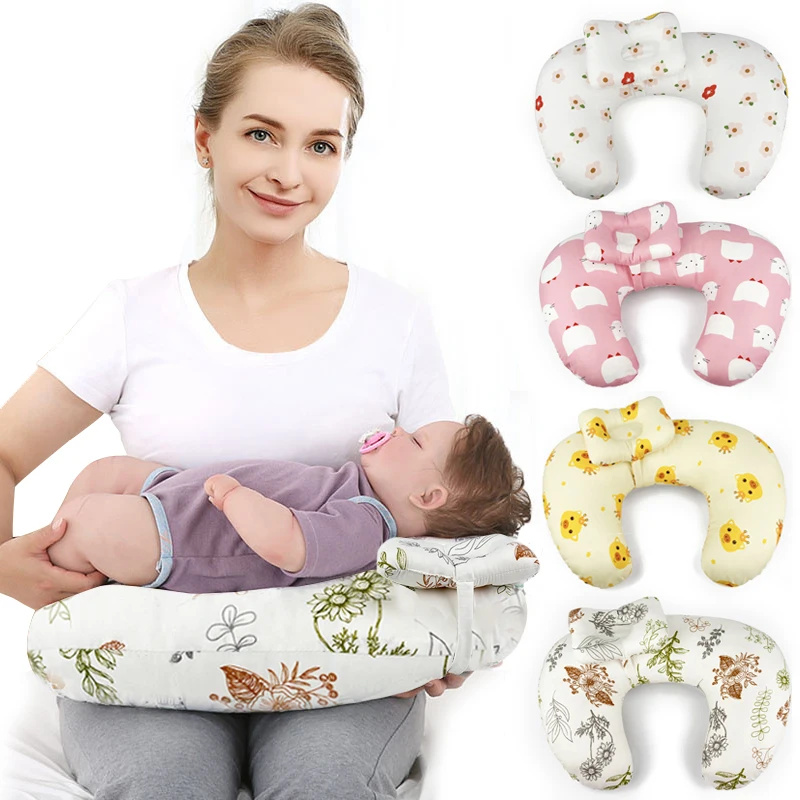
A nursing pillow brings the baby up to breast level, which is the single biggest factor in preventing the shoulder, neck, and lower back strain that affects most breastfeeding mothers in the first months. Without one, you’ll instinctively hunch forward to bring the breast to the baby — a posture you cannot sustain for the 6–8 hours of daily feeding time newborns require. A good pillow supports multiple feeding positions including cradle, cross-cradle, and football hold (especially helpful for C-section recovery, as it keeps the baby off the incision). Many parents continue using the pillow well past the breastfeeding stage for tummy time and propping during early sitting practice. 👉 Shop the Nursing Pillow
Nursing Cover
A breathable nursing cover lets you feed in public spaces, at family gatherings, or during travel without the awkwardness of finding a private room — which, in newborn life, you’ll need to do every two to three hours. Look for lightweight, breathable fabric (cotton or muslin) with adjustable neckline that lets you maintain eye contact with the baby while latching. Avoid heavy or non-breathable fabrics, which can overheat the baby — especially relevant in summer or warm climates. Many covers double as car seat shades, stroller covers, or scarves, making them one of the most versatile items in a diaper bag. 👉 Shop the Nursing Cover

Water Bottle for Moms
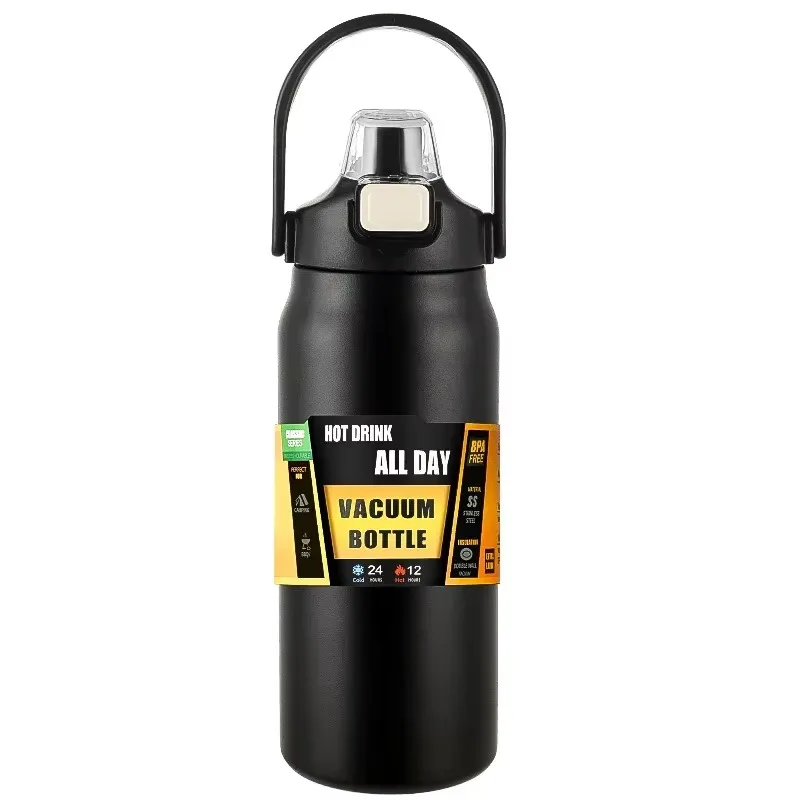
Breastfeeding increases daily fluid needs significantly — lactation consultants commonly recommend an additional 16 ounces of water per nursing session, on top of normal hydration. Dehydration is one of the most common preventable causes of dips in milk supply. A large-capacity bottle (32 oz or more) with a one-handed straw or flip-top design lets you drink during feedings, when both hands would otherwise be occupied. Stainless steel insulated bottles keep water cold for hours, which makes it more likely you’ll actually drink it during long cluster-feeding stretches. 👉 Shop the Water Bottle for Moms
How to choose breastfeeding essentials
If you’re building a starter setup, the nursing bra and nursing pillow are the highest-priority items — you’ll use both at every feeding from day one. Buy two to three nursing bras in your late-pregnancy size, then add more once your milk supply settles around week 6 and your true nursing size stabilizes. A water bottle is the cheapest, highest-impact addition: roughly $20 that directly supports your supply. A nursing cover becomes essential the moment you start leaving the house regularly, typically around the 2–4 week mark.
If you’re shopping for a gift, a nursing pillow paired with a cover is a thoughtful, practical combination that won’t duplicate items most baby-focused registries already cover. Mother-focused gifts stand out at baby showers, where attention typically defaults to the baby.
When to seek expert support
Breastfeeding is a learned skill for both mother and baby. If you experience persistent nipple pain, signs of mastitis (fever, breast redness, flu-like symptoms), supply concerns, or difficulty with latch, contact a board-certified lactation consultant (IBCLC). Most hospitals offer lactation services in the first weeks postpartum, and La Leche League International provides free peer support globally. Pain during breastfeeding is common but not normal, and is almost always solvable with proper support.
Frequently Asked Questions
What do I actually need to start breastfeeding?
At minimum: two to three nursing bras, a nursing pillow, and a large water bottle. A nursing cover is helpful but optional depending on how comfortable you are nursing in public. Most everything else (pumps, bottles, nipple cream, breast pads) can be added as needs emerge.
How many nursing bras do I need?
Three is the practical sweet spot — one to wear, one in the wash, and one as backup for leaks or middle-of-the-night changes. Buy them in late pregnancy at your current size, then plan to size up or replace once milk supply settles at week 6.
When should I buy nursing essentials — before or after the baby arrives?
Buy nursing bras, a pillow, and a water bottle during the last trimester so they’re ready from day one. Postpartum recovery makes shopping difficult, and you’ll want to start using these items in the hospital.
Are these items useful if I’m exclusively pumping?
Yes. Nursing bras (especially hands-free pumping styles), pillows for supporting bottles or pump flanges, and hydration matter just as much for pumping moms. A pumping mother’s daily fluid needs are identical to a breastfeeding mother’s.
What if breastfeeding is painful?
Persistent pain is a signal that something is correctable — most commonly a shallow latch, tongue tie, or positioning issue. Contact a lactation consultant within the first week of pain. Don’t wait; early intervention prevents most breastfeeding cessation in the first month.