
Newborn Sleep Essentials | Safe Sleep Gear Guide |
Newborn sleep is the area where the right setup matters most — both for the baby’s safety and for the well-being of the parents trying to function through the most sleep-deprived months of their lives. The American Academy of Pediatrics (AAP) updated its safe sleep guidelines in 2022 to apply through the entire first year, emphasizing back sleeping, firm flat surfaces, and a sleep environment free of soft objects.
This collection covers the four items that align with AAP guidance and consistently show up on experienced parents’ “things that actually worked” lists: a snug swaddle for the startle reflex phase, a white noise machine to mask household disruptions, a CPSC-compliant bassinet for safe room-sharing, and a monitor for the inevitable transition to separate-room sleep. Each item supports established safe sleep practices rather than working against them.
Before getting into specifics, a brief safety note: in 2022, the federal Safe Sleep for Babies Act banned the sale of inclined sleepers and crib bumpers, after they were linked to dozens of infant deaths. Any bassinet you buy should meet current CPSC safety standards — flat sleep surface, breathable mesh sides, and no padding or bumpers. These regulatory standards are not optional and matter more than any feature comparison.
Whether you’re preparing the nursery for a first baby, replacing outgrown gear, or putting together a gift for expecting parents, this collection covers the four-item foundation of a safer, more restful sleep environment.
What’s in this collection
Swaddle Blankets
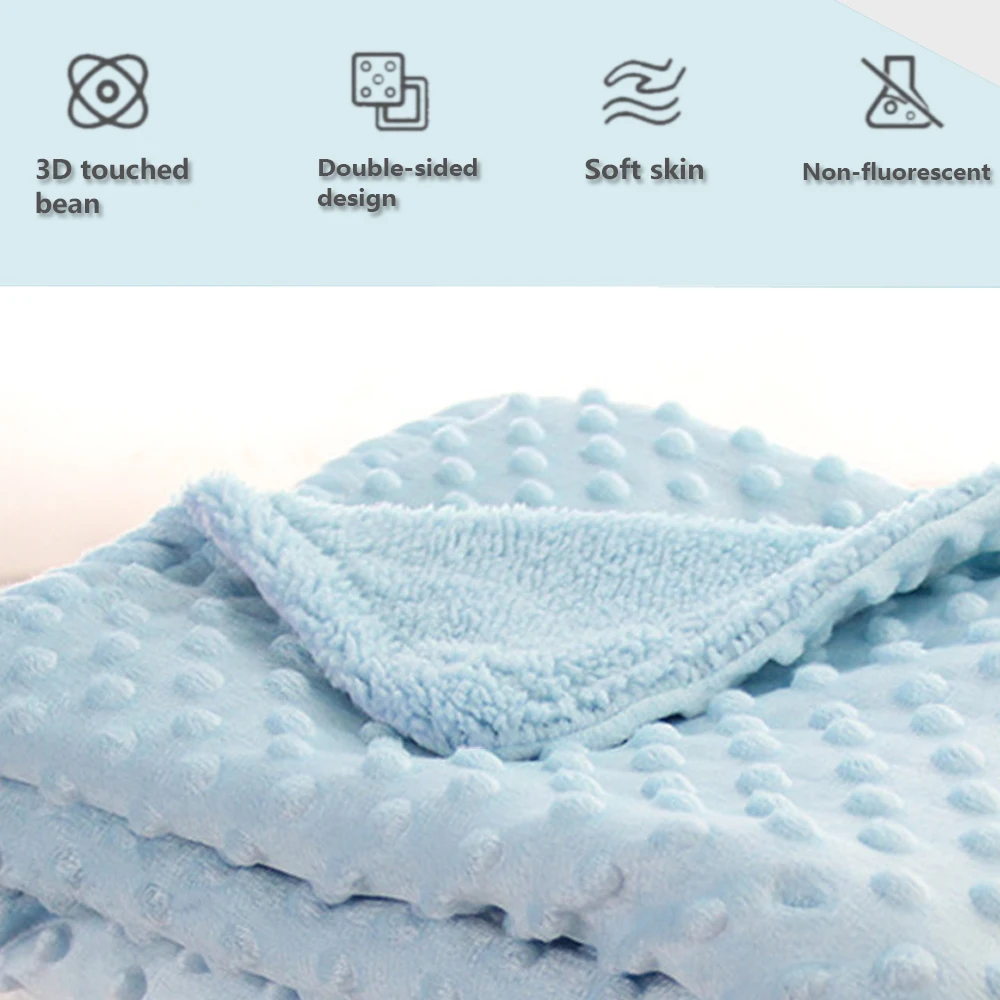
A snug swaddle replicates the contained feeling of the womb and dampens the Moro reflex — the involuntary startle that wakes most newborns multiple times per sleep cycle. AAP recommends swaddling only for back-sleeping and only until the baby shows signs of rolling, typically between 2 and 4 months. The wrap should be snug across the chest but loose around the hips and legs to allow proper hip development and prevent hip dysplasia. Look for breathable, lightweight muslin or cotton fabric — overheating is a known SIDS risk factor, and a too-warm swaddle can contribute to it. 👉 Shop Swaddle Blankets
White Noise Machine
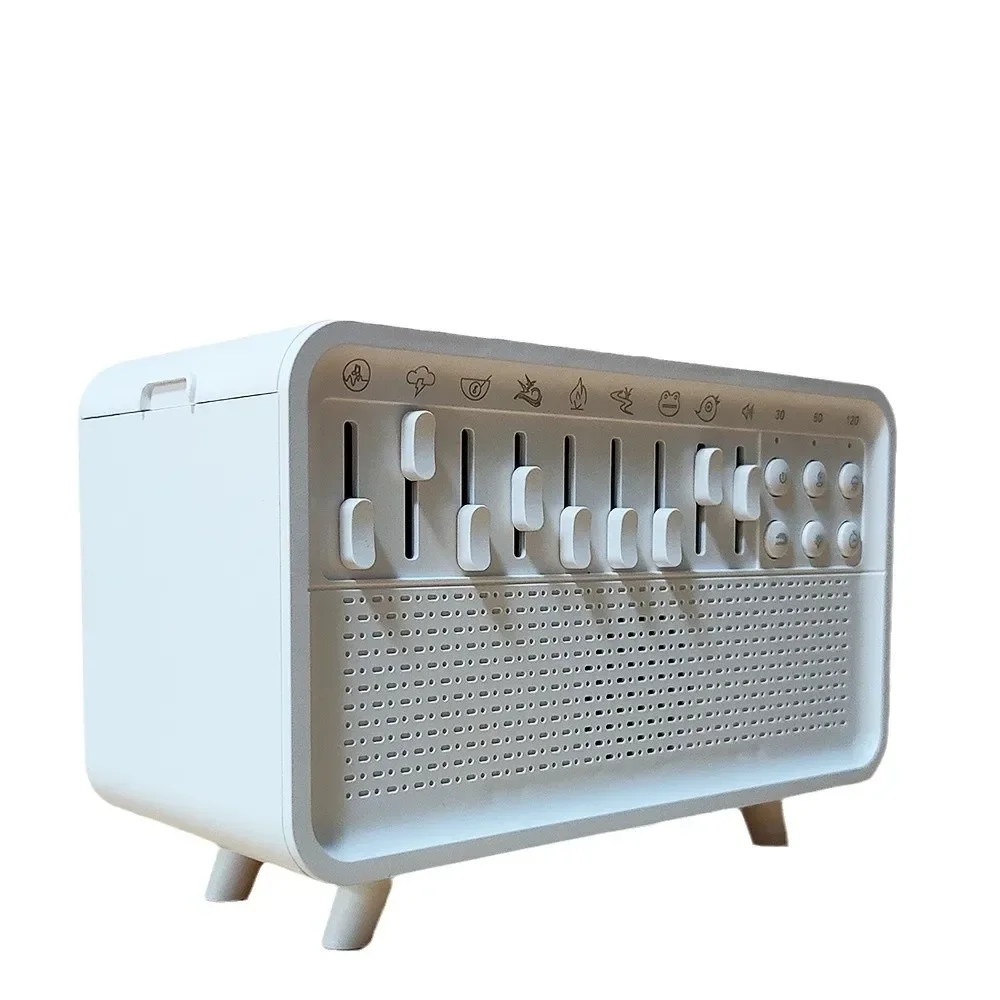
Steady, low-frequency white noise masks the household sounds that wake light sleepers and signals “it’s time to sleep” — useful once you start establishing a routine. AAP guidance and pediatric audiology research suggest keeping the machine at least 7 feet (about 2 meters) from the baby’s sleep space, and at a volume around 50 decibels — roughly the level of a quiet shower or light rain. Continuous machines (steady sound) are generally preferred to interval machines, which can cause more frequent wakings as the sound starts and stops.
👉 Shop the White Noise Machine
Baby Monitor
A baby monitor lets you safely leave the room while the baby sleeps — letting parents eat a meal, take a shower, or sleep in another room without continuous nursery checks. Modern monitors offer video with night vision, two-way audio, and temperature display (useful for confirming the sleep environment stays between 68–72°F, the AAP-recommended range). Audio-only monitors remain effective and have fewer privacy and connectivity concerns than camera-based or Wi-Fi-connected models. The right choice depends on whether you prioritize visual confirmation or simplicity. 👉 Shop the Baby Monitor

Bassinet
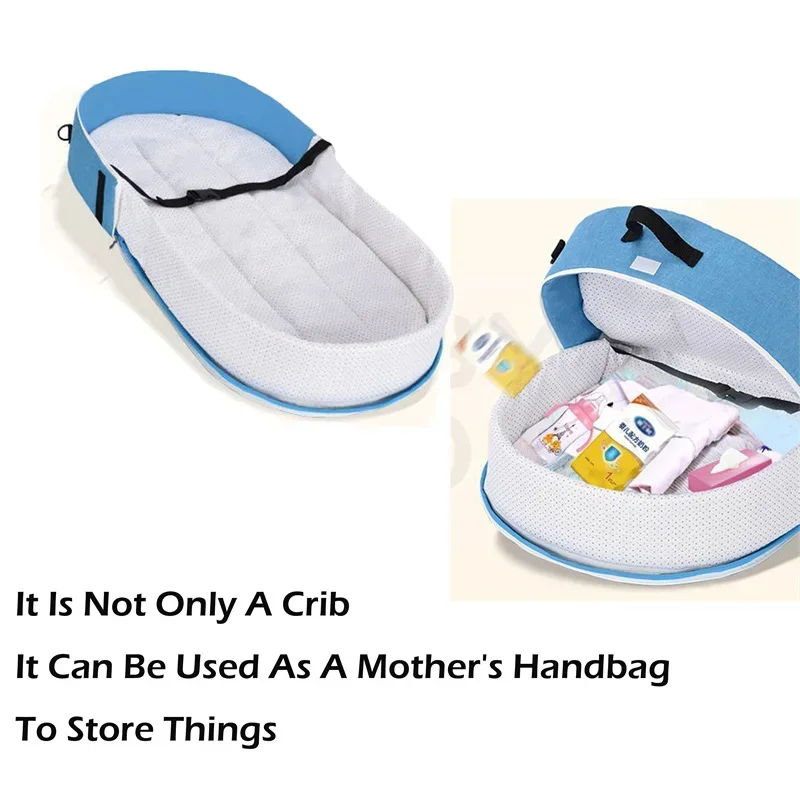
AAP recommends room-sharing without bed-sharing for at least the first six months, ideally the first year. A bassinet next to your bed makes this practical: the baby is within arm’s reach for nighttime feedings, but on a separate, safe sleep surface. Look for a flat, firm sleep surface, breathable mesh sides, CPSC-compliant construction, and a stable base. Most bassinets are rated for use until the baby reaches a specific weight (typically 15–20 lbs) or starts pushing up on hands and knees, whichever comes first. After that, transition to a full crib.
👉 Shop the Bassinet
How to choose newborn sleep essentials
For the first three months, the bassinet and swaddle blankets are the core of your sleep setup — they answer the where and the how of safe sleep. The white noise machine is the single highest-impact small purchase for sleep quality and costs less than $50 for most quality models. The baby monitor becomes essential the moment the baby starts napping in a separate room, typically around 4–6 months when you move out of the bassinet phase.
Prioritize CPSC-compliant safety certifications over feature comparisons — a basic bassinet that meets safety standards is always preferable to a feature-rich one that doesn’t.
Safe sleep fundamentals
The AAP’s safe sleep recommendations are simple and non-negotiable: babies should sleep on their back, on a firm flat surface, with nothing in the sleep space — no blankets, pillows, stuffed animals, bumpers, or wedges — through the first year. Room-sharing without bed-sharing is recommended for at least the first six months. Avoid inclined sleepers entirely; they were banned federally in 2022 after being linked to dozens of infant deaths. If you’re ever unsure whether a product is safe, the CPSC maintains a public database of recalls and safety standards.
Frequently Asked Questions
When should I stop swaddling my baby?
Stop swaddling as soon as your baby shows any signs of rolling — usually between 2 and 4 months. Once a baby can roll, swaddling becomes dangerous because they can’t free their arms to push up if they end up face-down. Transition to a sleep sack with arms free.
Is white noise safe for newborns?
Yes, when used correctly: keep the machine at least 7 feet from the bassinet, at a volume around 50 decibels (similar to a quiet shower), and use a continuous-sound model rather than one that starts and stops.
How long can I use a bassinet?
Most bassinets are rated to about 15–20 lbs or until the baby starts pushing up on hands and knees, whichever comes first — typically 4–6 months. Always check your specific bassinet’s weight limit and stop use when you reach it.
Do I really need a baby monitor?
If your baby will ever sleep in a different room — for naps or overnight — a monitor adds significant peace of mind and lets you leave the room without continuous in-person checks. For families who exclusively room-share, a monitor is less essential.
What should the room temperature be for a sleeping newborn?
AAP recommends a room temperature between 68°F and 72°F (20°C–22°C). Overheating is a known SIDS risk factor. A dressed baby in a wearable sleep sack typically needs one fewer layer than an adult would in the same temperature.