
Postpartum Recovery Essentials for the Fourth Trimester
The American College of Obstetricians and Gynecologists (ACOG) now formally recognizes the “fourth trimester” — the 12 weeks following birth — as a distinct phase of medical recovery requiring dedicated care. Despite this, most maternity registries focus almost entirely on the baby, leaving new mothers to discover what they actually need for their own recovery after they’re already home from the hospital.
This collection addresses what’s missing: physical support for a healing core, gentle relief for the perineal area, comfortable rest positioning for broken sleep, and clothing that accommodates the realities of postpartum life. These are the items consistently mentioned by mothers, doulas, and postpartum recovery specialists as making the biggest difference in the first 6–12 weeks.
Whether you’ve had a vaginal delivery or a C-section, recovery involves significant physical work — your uterus shrinks back to pre-pregnancy size over six weeks, your pelvic floor and abdominal muscles rebuild, hormone levels recalibrate, and you do all of this while feeding a newborn every two to three hours. The right gear makes this phase noticeably more manageable.
If you’re putting together a kit for yourself, build it during the third trimester so it’s ready when you come home. If you’re shopping for a gift, this collection includes some of the most-thanked-for items in postpartum support — particularly because they focus on the mother rather than the baby.
What’s in this collection
Postpartum Belly Wrap
A belly wrap provides gentle compression that supports your core and lower back as your abdominal muscles — which separate during pregnancy in a condition called diastasis recti — gradually rebuild. The compression helps with the unstable, “loose” feeling many mothers describe in the first weeks, and reduces strain on the lower back during standing, walking, and lifting the baby. Most users find wrap support most valuable in weeks 2–8 postpartum. Always get clearance from your provider before use, especially after a C-section — the wrap should provide support, not compress an incision. Look for adjustable, breathable wraps you can wear over or under clothing.
👉 Shop the Postpartum Belly Wrap

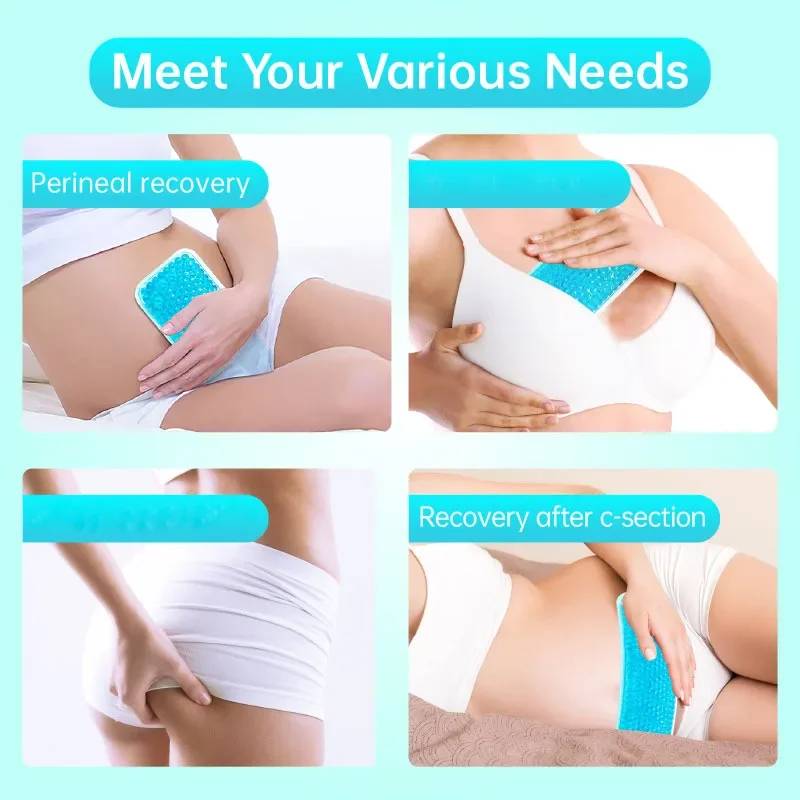
Perineal Compress Pack
The perineal area requires care after both vaginal and C-section deliveries — swelling, soreness, and healing from tearing or episiotomy are common in the first 1–2 weeks. A reusable hot/cold compress pack provides targeted relief on demand and is significantly more comfortable and effective than the bulky disposable ice packs typically provided at hospital discharge. Cold therapy in the first 24–72 hours reduces swelling; warm therapy after that supports healing and circulation. A reusable pack also costs far less over the recovery period than buying disposable supplies repeatedly.
👉 Shop the Perineal Compress Pack
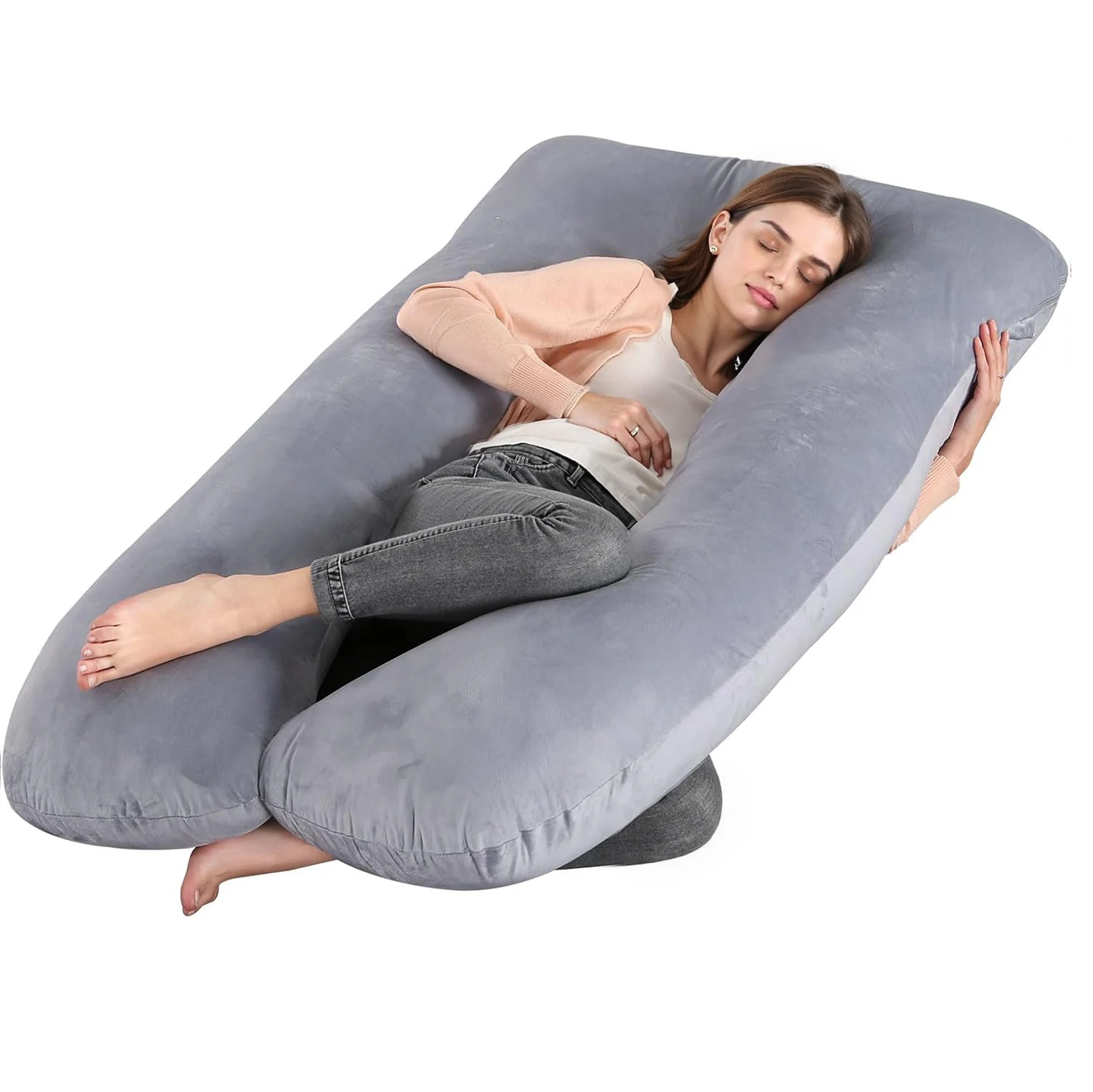
Maternity Pillow
A full-body maternity pillow remains genuinely useful well past pregnancy. Postpartum, it supports side-sleeping (the most comfortable position when your core is healing), provides propping during long nursing or bottle-feeding sessions, and eases the strain on healing abdominal muscles when getting in and out of bed. For C-section recovery, the pillow helps you brace your incision when coughing, laughing, or moving — a small thing that makes a significant difference in the first two weeks. Many parents continue using it well into the first year for breastfeeding support and back sleep alignment.
👉 Shop the Maternity Pillow
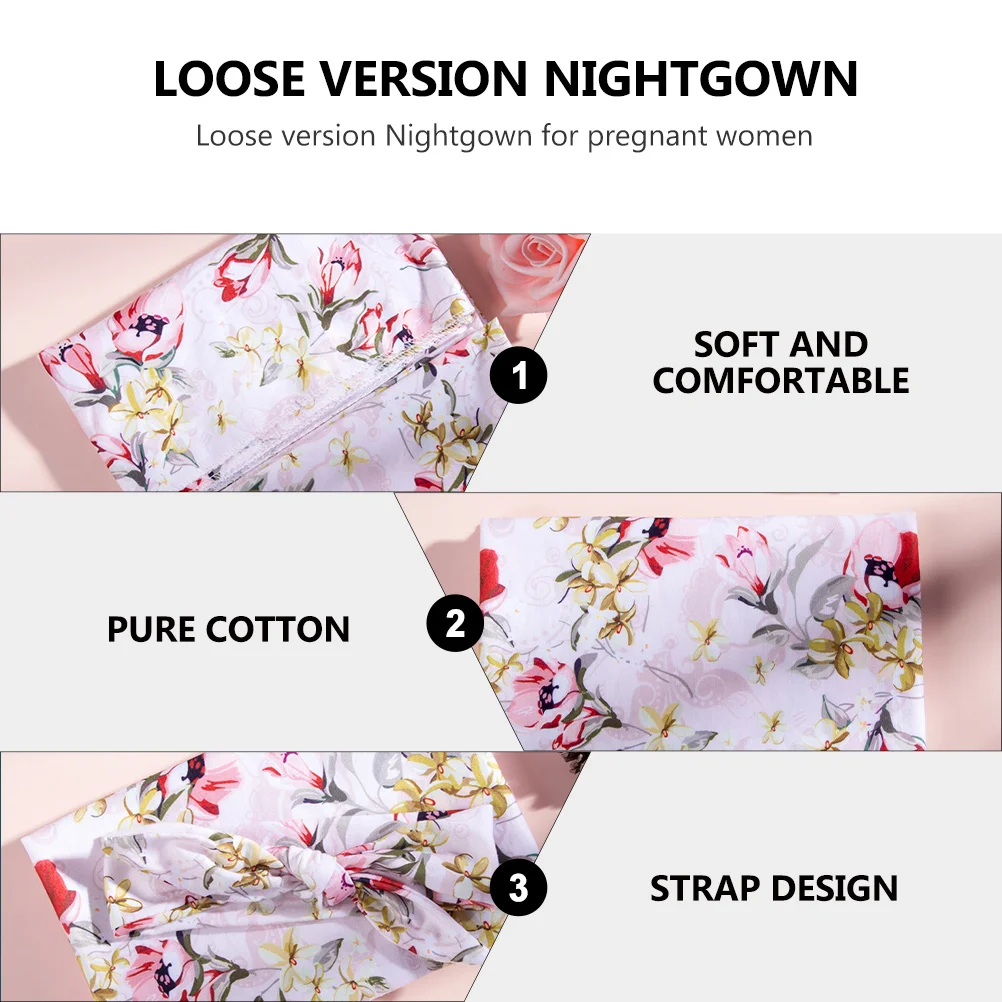
Maternity Robe
A soft, easy-on maternity robe is the unsung essential of postpartum life. It works for nursing sessions (easier than putting on a full outfit eight times a day), hospital and home visitors (more presentable than pajamas but easier than dressing), recovery naps, and the long stretches when fully dressing isn’t realistic. Look for breathable cotton or bamboo fabric — synthetic robes can be too warm during postpartum hormonal night sweats, which are extremely common in the first 4–6 weeks as estrogen levels drop.
👉 Shop the Maternity Robe
How to choose postpartum recovery essentials
Build your kit by recovery phase. Weeks 1–2 are the acute phase: the perineal compress pack and belly wrap address the most immediate physical discomfort. Weeks 3–6 are about sustainable comfort: the maternity pillow and robe become daily-use items. After week 6, most mothers transition to lighter-use of recovery items, though the pillow and robe often stay in rotation for months.
If you’re shopping for a baby shower gift, the robe and compress pack make one of the most appreciated combinations — both directly support the mother during the hardest physical phase, which most registries overlook.
Postpartum warning signs to know
ACOG identifies specific symptoms that require immediate medical attention postpartum, including heavy bleeding (soaking a pad in under an hour), chest pain or shortness of breath, severe headache, fever above 100.4°F, calf pain or swelling, and thoughts of harming yourself or the baby. Recovery products support comfort and physical healing, but they’re not a substitute for the 6-week postpartum visit and follow-up care. If something feels wrong, contact your provider — postpartum complications are treatable when caught early.
Frequently Asked Questions
When should I start using a postpartum belly wrap?
Most mothers begin wearing one within the first 1–2 weeks postpartum with provider approval. C-section recovery may need a slightly later start — typically after the incision has begun healing, around week 2, and with an adjustable wrap that doesn’t put direct pressure on the scar.
How long does postpartum recovery actually take?
The standard medical milestone is the 6-week postpartum visit, but ACOG explicitly recognizes recovery as continuing through 12 weeks (the fourth trimester) and beyond. Full physical recovery — including core strength, pelvic floor function, and hormonal balance — often takes 6–12 months.
Do these products work for C-section recovery?
Yes, with adjustments. An adjustable belly wrap with gentle, non-incision-pressing compression supports a healing core without disrupting the surgical site. The perineal compress pack is still useful for related swelling. The maternity pillow is especially valuable for C-section recovery, both for sleep and for incision-bracing when moving.
Why is the perineal compress pack better than what the hospital provides?
Hospital ice packs are typically single-use, bulky, and provide only cold therapy. A reusable pack offers both cold and warm therapy on demand, is more anatomically fitted, and is more cost-effective over a recovery period that often involves daily use for two to three weeks.
Are these items useful as a baby shower gift?
Yes — and they tend to be the most-thanked-for gifts at baby showers precisely because they focus on the mother. Most registries are baby-focused, leaving postpartum needs unaddressed. A robe and compress pack, or a belly wrap and pillow, make thoughtful, well-received gifts.