

By Dr. Sarah Chen, Sleep Specialist | Updated: September 26, 2025
Have you ever noticed how you sleep better in some environments than others? Maybe you’ve found yourself wide awake in a hotel room, startled by every unfamiliar creak or distant conversation, while wondering why you can’t drift off as easily as you do at home. If this sounds familiar, you’re not alone—and the solution might be simpler than you think.
A white noise machine could be the missing piece to your perfect sleep puzzle. But before you dismiss this as just another sleep gadget, let’s dive into the fascinating science behind why millions of people swear by these devices, and more importantly, whether you actually need one.

What Exactly Is White Noise (And Why Should You Care)?
White noise isn’t just “background sound”—it’s a specific type of audio that contains all frequencies of sound at equal intensity. Think of it like white light, which contains all colors of the spectrum. White noise is a neutral sound that many people listen to as they fall asleep.
When you hear white noise, it might sound like:
- A steady “shhhh” or hissing sound
- Television or radio static
- The consistent hum of an air conditioner
- Ocean waves or rainfall (though these are technically closer to pink noise)
But here’s where it gets interesting: white noise works through a principle called auditory masking. The theory of Auditory Masking essentially states that the ratio of a novel sound to background noise determines the detectability of the sound. As a result, by raising the background noise level in a sleeping environment one can increase the threshold required of an external auditory stimulus to wake someone.
In simpler terms, white noise creates a consistent sound blanket that masks sudden, disruptive noises—like a slamming door, car honking, or your neighbor’s late-night TV session—that would otherwise jolt you awake.
The Science: Does White Noise Actually Work for Sleep?
The research on white noise for sleep presents a fascinating picture. While some studies show promising results, others urge caution. Let’s break down what the science actually tells us.
The Positive Evidence
Recent studies have shown some compelling benefits of white noise for sleep quality:
Faster Sleep Onset: A third study of patients who were having trouble sleeping showed that white noise helped them fall asleep 38% more quickly—that’s a significant improvement that could mean the difference between lying awake for an hour versus falling asleep in minutes.
Better Sleep in Noisy Environments: A groundbreaking 2021 study focused specifically on people living in high-noise environments like New York City. Our data show that white noise significantly improved sleep based on subjective and objective measurements in subjects complaining of difficulty sleeping due to high levels of environmental noise.
Reduced Sleep Disruptions: For a small 2005 study in the journal Sleep Medicine, researchers exposed sleepers to recorded hospital sounds either with or without a white noise machine. Their analysis of the sleepers’ brain waves found that those who slept with the white noise machine were hardly disturbed by the hospital sounds, while sleep arousals were frequent among those who slept without white noise.
The Cautionary Notes
However, it’s important to note that not all research is uniformly positive. After systematically reviewing published scientific literature, we conclude that the quality of evidence supporting this assertion is very low.
Dr. Sogol Javaheri, assistant professor at Harvard Medical School and physician in the division of sleep and circadian rhythm disorders at Brigham and Women’s Hospital in Boston, points out some important concerns: white noise may interrupt important stages of sleep, such as REM sleep or deep sleep, and affect hearing if it is too loud.
What This Means for You
The mixed research doesn’t mean white noise doesn’t work—it means that it doesn’t work for everyone, and how you use it matters tremendously. The key is understanding whether you’re a good candidate for white noise and how to use it safely and effectively.
Who Actually Needs a White Noise Machine?
Not everyone needs a white noise machine, but certain groups of people tend to benefit significantly more than others. Here’s how to determine if you’re a good candidate:
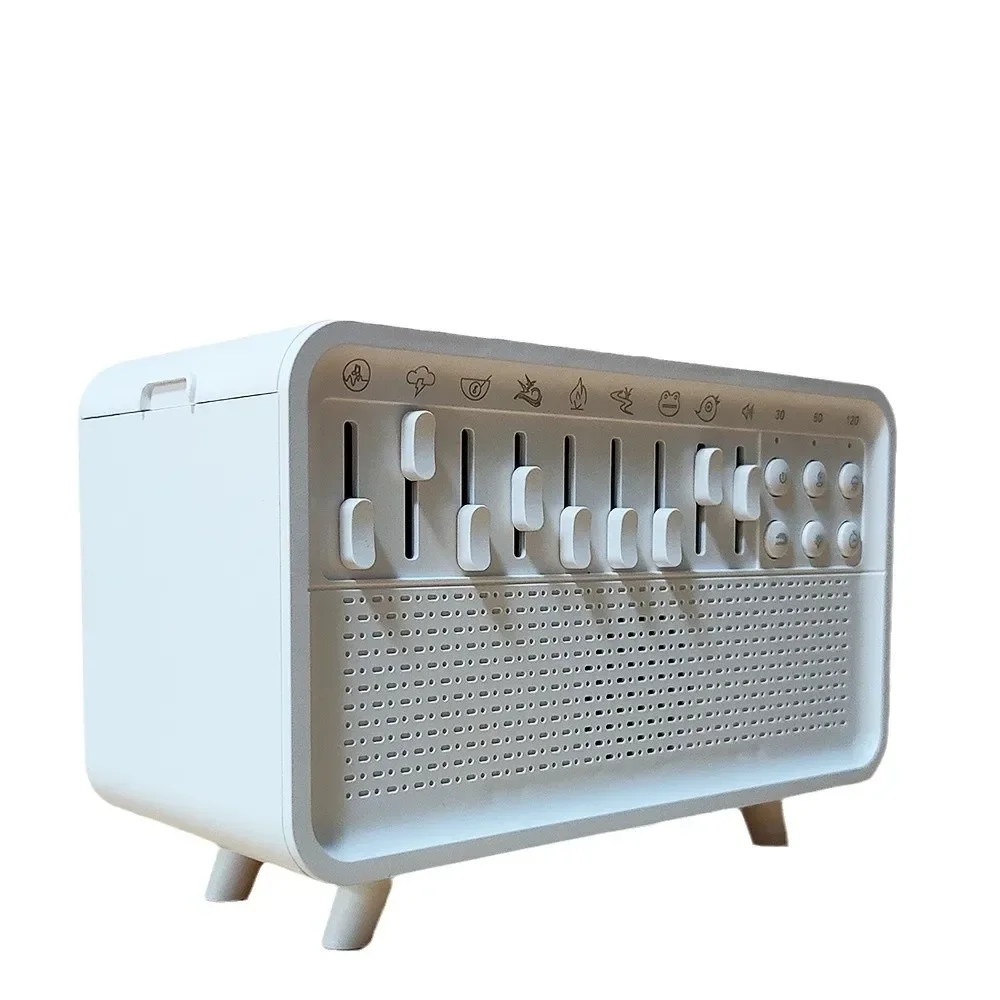
You’re Likely a Good Candidate If You:
Live in a Noisy Environment
- Urban dwellers dealing with traffic, sirens, and street noise
- College students in noisy dorms
- Apartment residents with thin walls
- Anyone near airports, highways, or construction zones
Are a Light Sleeper
- You wake up easily from small sounds
- Partner’s movements or snoring disturb your sleep
- You notice every creak, click, or distant conversation
Have an Inconsistent Sleep Environment
- Frequent travelers staying in hotels
- Shift workers sleeping during the day
- Anyone whose sleep environment changes regularly
Struggle with Racing Thoughts
- You find your mind wandering when trying to fall asleep
- Stress or anxiety keeps you mentally active at bedtime
- You benefit from having something to focus on besides your thoughts
You Might Want to Skip White Noise If:
- You sleep well in complete silence
- You have no trouble falling or staying asleep
- You live in a naturally quiet environment
- You’re concerned about becoming dependent on external sleep aids
Beyond White Noise: Understanding Your Color Options
While white noise gets all the attention, it’s not the only option available. Understanding these different “colors” of noise can help you find the perfect sound for your sleep needs:
Pink Noise: The Deeper Alternative
Pink noise has more intense, lower frequencies that make it sound deeper than white noise. Examples of pink noise are the sounds of rain or a waterfall.
Research suggests pink noise might be even more effective than white noise for certain people. Some studies have found that pink noise can enhance deep sleep in older adults and improve cognitive performance. In addition, research suggests that pink noise may decrease time to fall asleep and improve sleep quality.
Brown Noise: The Gentlest Option
Brown noise — reduces higher sound frequencies even more than pink noise and is described as grainier or rougher. Many people find brown noise more soothing and less “harsh” than white noise.
Green Noise: The Natural Choice
Green noise sounds are perceived as similar to ocean waves or a stream. Although there is limited research that shows green noise benefitting sleep, it is a popular tool to help mask noisy environments that disrupt sleep.
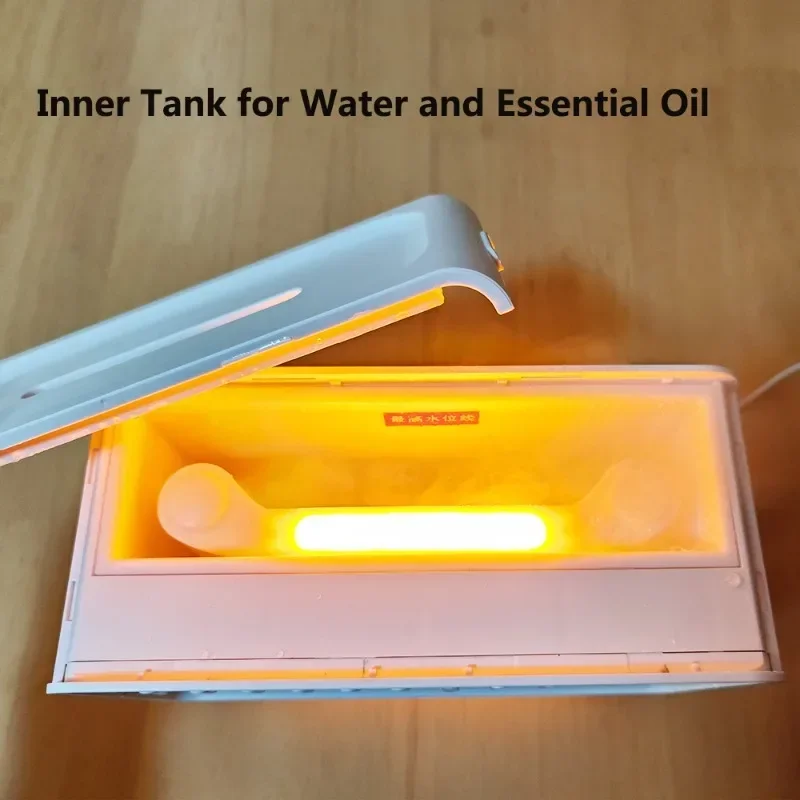
The Hidden Benefits: Why White Noise Does More Than Mask Sound
While noise masking is the primary function of white noise machines, many users discover additional benefits that make these devices valuable beyond just blocking out disruptive sounds.
Creating Sleep Associations
Once you begin using it, white noise can also signal to your brain that it’s time to get to sleep. “It’s a little bit of a Pavlovian response to the sound of the white noise,” explains Molly Szkotak, community manager at Yogasleep.
This psychological conditioning can be incredibly powerful. Just like how certain scents or lighting can trigger relaxation responses, the consistent sound of your white noise machine can become a sleep cue that helps your brain transition into rest mode more quickly.
Reducing Anxiety and Racing Thoughts
Many people find that having a consistent sound to focus on helps quiet their internal mental chatter. Instead of lying in bed analyzing the day’s events or worrying about tomorrow’s to-do list, you have something neutral and soothing to concentrate on.
Providing Comfort and Security
There’s something psychologically comforting about having a consistent, predictable element in your sleep environment. This can be particularly beneficial for:
- Children transitioning to sleeping alone
- Adults dealing with stress or anxiety
- Anyone who feels unsettled by complete silence
How to Use White Noise Safely and Effectively
If you’ve decided that a white noise machine might benefit your sleep, here’s how to use it properly to maximize benefits while minimizing any potential risks:
Volume Guidelines
If you use a white noise machine for sleep, try moving it to a corner of your bedroom and keep the noise level no louder than that of a background conversation.
This typically means keeping the volume at or below 50 decibels—about the level of light rain or a quiet office environment. Anything louder could potentially affect your hearing over time.
Timing Strategies
Turn on your white noise machine just before getting into bed. If your machine has a timer, experiment with having it play only as you fall asleep rather than all night long.
Many people find they only need white noise to help them fall asleep, not to stay asleep all night. Using a timer can help prevent dependency while still providing the initial sleep benefits.
Placement Tips
- Position the machine across the room rather than right next to your bed
- Point it toward a wall rather than directly at your sleeping area
- Experiment with different locations to find the most effective position for masking disruptive sounds
Gradual Introduction
If you’re new to white noise, start with shorter periods and lower volumes, gradually increasing as you become accustomed to sleeping with background sound.
Alternatives to Traditional White Noise Machines
While dedicated white noise machines are popular, they’re not your only option. Here are several alternatives that might work just as well for your situation:
Smartphone Apps
Numerous apps offer high-quality white, pink, and brown noise options. Benefits include:
- Portability for travel
- Variety of sound options
- Timer functions
- Cost-effectiveness
However, keep in mind that phones can be interrupted by calls or notifications, and the speakers may not provide the same audio quality as dedicated devices.
Fan or Air Purifier
Many people find that a simple fan or air purifier provides sufficient background noise for masking sleep disruptions. These devices offer the added benefit of air circulation or filtration while providing consistent sound.
Smart Speakers
Devices like Amazon Echo or Google Home can play white noise or nature sounds on command. They offer convenience and integration with smart home systems.
Online Streaming Services
Many music streaming platforms offer white noise playlists or dedicated sleep sound sections. This can be a good way to experiment with different types of noise before investing in dedicated equipment.
Potential Drawbacks and How to Avoid Them
While white noise can be incredibly beneficial, it’s important to understand potential downsides and how to mitigate them:
Dependency Concerns
“Biologically, you don’t need this [sound] to sleep,” he says, “and if you use it every night, you can get so used to it that you can’t sleep without it.”
How to Avoid It:
- Use timers to limit exposure
- Occasionally sleep without white noise
- Gradually reduce volume over time
- View it as a tool rather than a necessity
Masking Important Sounds
White noise can potentially mask sounds you need to hear, such as:
- Smoke alarms
- Security alerts
- Baby monitors
- Morning alarms
How to Mitigate:
- Keep volume at appropriate levels
- Use sounds that won’t completely mask safety alerts
- Position devices thoughtfully
- Consider using only during certain sleep phases
Potential Sleep Stage Interference
Animal studies showing that continuous white noise exposure can disturb slow wave sleep (the deepest stage of sleep) and/or rapid eye movement (REM) sleep.
How to Address:
- Use timer functions to limit exposure
- Monitor your sleep quality and dreams
- Consult with a sleep specialist if you notice changes
White Noise for Special Situations
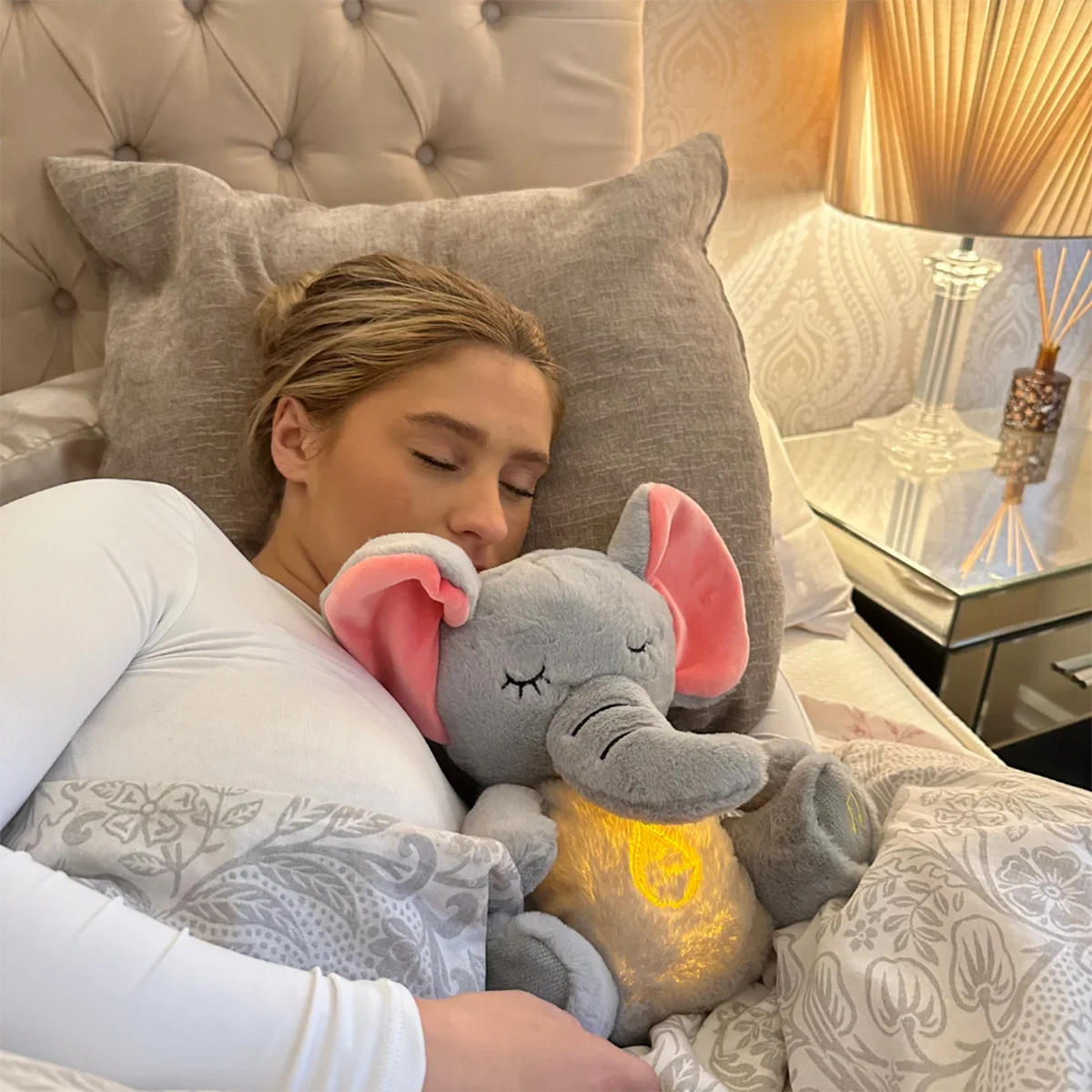
Certain life circumstances make white noise particularly valuable:
New Parents
Studies have found that listening to white noise helped newborn babies fall asleep faster, and “A study in infants and children showed that white noise may reduce heart rate and respiratory rate, effectively lulling an individual to sleep,”
White noise can help both babies and exhausted parents get better rest, creating a more peaceful household environment.
Shift Workers
People who need to sleep during the day face unique challenges with environmental noise. White noise can be particularly effective for creating a consistent sleep environment regardless of the time of day.
College Students
Dorm life presents numerous sleep challenges, from noisy hallways to roommates with different schedules. A white noise machine can help create a personal sleep sanctuary in shared living spaces.
Frequent Travelers
Hotel rooms often have unpredictable noise patterns. A portable white noise solution can help maintain sleep quality regardless of location.
HavF Non-Contact Infrared Thermometer
$24.99 Select options This product has multiple variants. The options may be chosen on the product page👣 HavF No-Touch Inkless Baby Handprint & Footprint Kit
$24.99 Select options This product has multiple variants. The options may be chosen on the product pageBaby Handprint Kit – Safe Inkless Footprint Stamp for Newborns (0-6 Months) | Non-Toxic Memory Keepsake
$24.99 Select options This product has multiple variants. The options may be chosen on the product pageKids Non-Slip Cotton Socks – 6 Pack Cartoon Animal Pattern
$24.99 Select options This product has multiple variants. The options may be chosen on the product page



The Bottom Line: Do YOU Need a White Noise Machine?
After examining the research and understanding how white noise works, here’s the honest truth: You need a white noise machine if noise disruption is preventing you from getting quality sleep, and you’ve tried other solutions without success.
White noise isn’t a magic cure-all for sleep problems, but it can be an incredibly effective tool for specific situations. This suggests that the application of white noise may be an effective tool in helping to improve sleep in those settings.
Consider trying white noise if:
- External noises regularly wake you up
- You live in a consistently noisy environment
- You’re a light sleeper who’s easily disturbed
- You travel frequently and sleep in different environments
- You have trouble quieting your mind at bedtime
However, remember that white noise works best as part of comprehensive sleep hygiene practices. Good sleep hygiene can help. Sleep hygiene is a set of practices and routines that help you get better sleep.
Creating Your Complete Sleep Environment
While a white noise machine can be a valuable addition to your sleep toolkit, it works best when combined with other healthy sleep practices:
Optimize Your Sleep Schedule
Going to bed and getting up at the same time every day helps regulate your body’s internal clock and can improve sleep quality more than any single device.
Control Your Sleep Environment
Retiring to a comfortable environment with minimal disruptions makes it easier to fall asleep and sleep soundly. This includes:
- Keeping your bedroom cool (around 65-68°F)
- Blocking out light with blackout curtains
- Ensuring your mattress and pillows are comfortable
- Removing electronic devices that emit blue light
- Why Do You Need a White Noise Machine? The Science-Backed Guide to Better SleepBy Dr. Sarah Chen, Sleep Specialist | Updated: September 26, 2025 Have you ever noticed how you sleep better in some environments than others?… Read more: Why Do You Need a White Noise Machine? The Science-Backed Guide to Better Sleep
- The Complete Guide: How to Be a Working Mom with a NewbornBy Sarah Martinez, Certified Lactation Consultant & Mother of Three In this blog, you will learn how to be a working mom with a… Read more: The Complete Guide: How to Be a Working Mom with a Newborn
- More Than Just Milk & Cookies: The Essential Qualities of a Great MomHey there, this article focus on the essential qualities of a great mom. so mamas (and dads, grandparents, and anyone who loves a mom… Read more: More Than Just Milk & Cookies: The Essential Qualities of a Great Mom
- Achieve Salon Styles at Home with the 5-in-1 Hot Air Brush: A Comprehensive ReviewDreaming of salon-worthy blowouts, bouncy curls, and sleek straight styles but without the hefty price tag or time commitment? The 5-in-1 Hot Air Brush… Read more: Achieve Salon Styles at Home with the 5-in-1 Hot Air Brush: A Comprehensive Review
Develop a Bedtime Routine
Good sleep hygiene starts before then. So, subtract another hour from your bedtime, and follow a calming bedtime routine.
Watch Your Evening Habits
Avoid alcohol in the evenings. Although alcohol can make you sleepy, after a few hours it becomes stimulating and may cause you to awaken and have difficulty falling back to sleep.
Making the Investment: What to Look for in a White Noise Machine
If you’ve decided that a white noise machine might benefit your sleep, here are key features to consider:
Essential Features
- Volume control: Ability to adjust to comfortable levels
- Timer function: Option to shut off automatically
- Sound quality: Clear, consistent audio without loops or interruptions
- Reliable construction: Should run consistently night after night
Nice-to-Have Features
- Multiple sound options: White, pink, brown noise varieties
- Portable design: For travel use
- Auto-off sensors: That respond to ambient light or movement
- App connectivity: For remote control and customization
Budget Considerations
Quality white noise machines range from $20 for basic models to $100+ for feature-rich options. Consider how often you’ll use it and what features matter most to your situation.
The Final Word: Sleep Quality Matters More Than the Method
But sleep is as important for good health as diet and exercise. Good sleep improves your brain performance, mood, and health.
Whether you choose a white noise machine, pink noise, brown noise, or prefer complete silence, the goal remains the same: consistent, restorative sleep that leaves you feeling refreshed and ready to take on your day.
Not getting enough quality sleep regularly raises the risk of many diseases and disorders. These range from heart disease and stroke to obesity and dementia.
If you’re struggling with sleep quality due to environmental noise, a white noise machine might be exactly what you need. But remember, it’s just one tool in your sleep hygiene toolkit. Combine it with other healthy sleep practices, use it thoughtfully and safely, and don’t hesitate to consult with a healthcare provider if sleep problems persist.
Your sleep matters. Whether that means investing in a white noise machine, improving your bedtime routine, or making other environmental changes, take the steps necessary to prioritize your rest. Your health, productivity, and overall quality of life depend on it.
About the Author: Dr. Sarah Chen is a board-certified sleep medicine specialist with over 12 years of experience treating sleep disorders. She completed her fellowship in sleep medicine at Stanford University and currently practices at the Metropolitan Sleep Center. Dr. Chen has published extensively on sleep hygiene and environmental factors affecting sleep quality.
Medical Disclaimer: This article is for informational purposes only and should not replace professional medical advice. If you have persistent sleep problems or concerns about sleep disorders, consult with a qualified healthcare provider or sleep specialist

